Finding a roofing contractor is not hard. Finding one you can trust with a six-figure asset and a weather-exposed system that protects your family is another story. The fastest way to separate true pros from risky operators is to verify two things they should have in order before they ever set foot on your roof: a valid license where required, and active insurance that fits roofing work. The process is not flashy, and it is not complicated, but it demands care. After decades of estimating, managing, and fixing jobs that went sideways, I look for the same documents first, then judge the quality of the conversation second. The paperwork tells you if a company takes risk seriously. The conversation tells you if they take you seriously.
Why licenses and insurance are not paperwork for paperwork’s sake
The roof is a high-liability trade. Falls, nail guns, torn-off shingles during a sudden gust, a stray dumpster cracking a driveway, a fire from a torch detail on a commercial job, even a lightning strike that fries a compressor mid-tear off, I have seen all of it. When a worker falls or a storm rips the underlayment after a tear off, the homeowner looks around for who pays. Without verified insurance, the answer can be you. Without a valid license, you can struggle to get help from your state’s recovery fund or bonding program, and some manufacturers will void upgraded warranties if the installer is not approved. Municipalities can even stop work mid-project when a permit shows a contractor without proper credentials.
On the upside, the best roofing companies wear compliance like a uniform. They will send certificates directly from their insurance agent, show you their license page online, pull permits, list you as additional insured when appropriate, and include lien waivers in their closeout. They will tell you what exclusions exist and how they manage them. That is not a burden, it is a signal. If you started your search with terms like roofing contractor near me or best roofing company, this is how you validate what marketing claims cannot.
How licensing actually works, and why the answer is often “it depends”
Roofing licensing is not uniform across the United States. It varies by state, sometimes by county or city. In some places you need a specialty roofing license with exams and continuing education. In others, there is no state license for roofers, but contractors must register and carry insurance and a bond. In many metropolitan areas, you will also see local registration requirements layered on top of state rules. This patchwork confuses homeowners, and shady operators take advantage of that confusion.
A few real examples help:
- California issues a C-39 Roofing license through the Contractors State License Board. It requires testing, experience, financial responsibility, and bonding. California also caps home improvement down payments at $1,000 or 10 percent of the contract price, whichever is less. Reputable California roofers know this and write their contracts accordingly. Florida regulates roofing through the Department of Business and Professional Regulation. Contractors can be Certified, allowing statewide work, or Registered, allowing work in specific local jurisdictions. Florida also tightened rules around insurance claim practices and assignments of benefits. Professional roofers in Florida are used to working under that scrutiny. Texas does not have a state roofing license. That does not mean anything goes. Legitimate Texas roofing companies register locally where required, carry strong insurance, and can show a long track record and manufacturer approvals. The absence of a state license makes your insurance and reference checks even more important. Illinois requires a roofing contractor license through the Department of Financial and Professional Regulation, with separate designations for residential, commercial, or unlimited. The state publishes a public lookup. I have seen owners reject bids within five minutes after discovering a bidder had an expired license here. Colorado does not have a state roofing license either, but many cities and counties require contractor licensing or registration. After major hailstorms, local building departments often intensify permit and inspection requirements to protect homeowners.
Wherever you live, expect that licensing and permits will be required for a roof replacement. Even in light-touch states, municipalities often insist on permits, ice barrier installations in specific zones, and final inspections. If a roofer tells you no permit is needed for a full tear off, press pause and call your building department yourself.
How to verify a license the right way
Start with the source of truth. State licensing boards and city contractor registries publish searchable databases. Use the exact business name that appears on the estimate or contract, then cross-check the owner’s name, address, and license status. Watch for tricks like a similar name or a parent company license that does not extend to subsidiaries. If the contractor claims to operate under a different legal entity, both names should appear on your contract and insurance certificates.
Look at more than the green “Active” label. Review the license classification, expiration date, and any disciplinary actions. I still keep a screenshot of a California C-39 license where the contractor was placed on probation for workers’ compensation violations. He swore the issue was fixed. The board’s site told a more complicated story. That saved a homeowner from hiring a company with a history of cutting corners on the exact risk we worry about in roofing.
Local requirements matter as well. Many cities require separate business licenses, contractor registrations, or roof-specific registrations. Ask which municipality will issue the permit for your roof, then confirm the roofer is registered there. If the company plans to use a third party or a permit runner, the permit should still list the licensed contractor of record, not a handyman, not you.
Manufacturer programs add another layer. Titles like GAF Master Elite, CertainTeed Select ShingleMaster, or Owens Corning Platinum Preferred require insurance, training, and performance metrics. These are not government licenses, but they can qualify you for extended warranties and indicate a stable operation that passes regular audits. Treat them as a strong positive signal, not a substitute for a license.
Insurance that actually protects you on a roofing project
Two policies really matter on a roof replacement: general liability and workers’ compensation. Depending on your state, you might also see a contractor bond, commercial auto, and umbrella liability. The label on the certificate matters less than the language behind it. Roofing is high hazard. Insurers price and underwrite it accordingly, and some policies try to carve out the riskiest parts of roofing.
General liability protects against property damage and certain bodily injury claims caused by the contractor’s operations. Solid residential roofing contractors commonly carry $1 million per occurrence and $2 million aggregate. For multifamily, HOA, or light commercial work, $2 million per occurrence with a $5 million umbrella is not unusual. Workers’ compensation covers injuries to employees. If a worker falls and the employer lacks comp, the claim can end up against your homeowners policy or in court.
Here is where the fine print bites. Some low-cost policies have a roofing exclusion, or an open roof exclusion that denies coverage while the deck is exposed, which is the exact time you most need it. Others exclude subcontracted work, which is unhelpful if your roofer uses subcontract crews. I have seen a claim denied because the policy allowed roofing on new construction but excluded re-roofing. The homeowner never knew until after a windstorm damaged the living room during tear off.
A certificate of insurance alone is not a guarantee. It is a snapshot issued by an agent, not the policy. You can and should ask for endorsements that prove key protections exist. The right contractor will not flinch at this request. If the estimator looks lost, ask for their office manager or risk manager. Good companies will loop in their insurance agent and handle it within a day.
A quick, practical checklist for hiring roofers
- Look up the license on the state or city site using the exact legal name. Confirm classification, expiration, and any discipline. Request a certificate of insurance sent directly from the agent, not forwarded by the contractor. Ask for workers’ comp verification. If the owner claims an exemption, confirm no uninsured helpers will be on site. Require endorsements that remove roofing exclusions and name you as additional insured for ongoing and completed operations. Verify the permit plan. The licensed roofing contractor should be listed on the permit, not a third party or the homeowner.
How to read a certificate of insurance without becoming an insurance adjuster
- Holder and insured names should match your contract and property. Watch for mismatched DBAs, or an out-of-state address that does not line up with the company you met. General liability limits should be at least $1 million per occurrence and $2 million aggregate for typical single-family roofs. Larger projects often require higher. Effective and expiration dates must cover your entire project window. If a policy expires next month and work runs long, coverage can lapse mid-job. Workers’ compensation should show active coverage in your state. If the contractor uses subs, ask for proof that subs carry their own comp policies. Ask the agent for copies of key endorsements. Additional insured language for both ongoing and completed operations, primary and noncontributory wording, waiver of subrogation when required by your HOA or lender, and confirmation that no roofing or open roof exclusions apply.
Subcontractors, owner-operators, and the gray zones
Plenty of good roofing contractors use subcontract crews. The work is still the roofer’s responsibility. That should be clear in your contract. You do not manage the sub, you hired the roofer. The roofer should collect certificates from every sub and require them to carry comp and liability that mirror or exceed the prime contractor’s coverage. Ask your roofer to confirm this in writing and provide sample sub certificates upon request. On large jobs, I also require conditional lien waivers from subs and suppliers with each progress payment, then unconditional waivers once funds clear. It is simple paperwork that prevents a surprise lien after you have paid.
Owner-operators sometimes claim a workers’ compensation exemption. Many states allow owners to opt out. If the owner is the only person on your roof, that can be acceptable. Problems start when the owner brings a couple of day laborers who are not on payroll and are not covered. If someone gets hurt, the story changes fast. My rule is straightforward: if anyone other than the named owner will work on the roof, I want active workers’ comp listed on the certificate, and I want to know who pays whom.
Permits, inspections, and the line between legal and risky shortcuts
Permits are not a revenue scheme, they set the standard. A permit pulls a final inspection into the process, which is a second set of eyes on nailing patterns, underlayment laps, and flashing details. Inspectors do miss things, but the simple fact of a recorded permit can help your insurer, your lender, and a future buyer. If a roofer offers a discount to skip the permit, that is not a favor. I once saw a real estate sale delayed four months while the seller tried to legalize an unpermitted roof after a buyer’s appraiser flagged it. The seller ended up paying for a second tear off to expose the deck and allow inspection. The cheaper contractor cost them far more.
Ask how the roofer handles weather. Good crews tear off what they can dry-in that day, then stage tarps and roll off containers where runoff will not destroy your landscaping. Most insurance claims I have seen on roofs were not epic failures, they were afternoon storms that found their way under a ridge or through a skylight opening at 3:15 p.m. It is the contractor’s duty to secure the site. Insurance is the backstop, not plan A.
Contracts that reflect a professional operation
A detailed contract protects both sides. It should specify the exact shingle line or membrane, underlayment type, ice and water shield locations, ventilation upgrades, flashing materials, and whether decking replacement is included or billed per sheet with a stated price. I like to see unit prices for plywood or plank replacement, skylight replacements or re-flashes, and any masonry counterflashing work. Schedules matter too. Start and completion windows should be realistic given your climate and the company’s backlog. Weather delays should be addressed. Payment terms should align with milestones, not with vague promises.
Watch the deposit. Many states limit down payments. I already mentioned California’s $1,000 or 10 percent cap. Other states have different ceilings. Even without a legal cap, a deposit of 10 to 20 percent is normal to secure materials and scheduling. A request for 50 percent upfront raises eyebrows. For insurance-claim projects, be careful with assignment of benefits forms or contingency agreements that lock you in before your carrier approves scope and price. Authorize inspections and temporary services, but keep control of your claim.
Red flags I would not ignore
Storm chasers flood neighborhoods after hail. Some are legitimate, many are not. Temporary out-of-state LLCs, trucks with removable magnetic signs, and door-to-door salespeople who push for immediate signatures all deserve scrutiny. If a company cannot show a footprint in your area that predates last week’s storm, proceed carefully. A P.O. Box is not a footprint. The best roofing contractors will provide a local service address, a live office line, and references for roofs installed two to five years ago within a short drive of your home.
Low bids can hide exclusions. If one estimate is 30 percent lower than a cluster of others, read the scope closely. I have seen bids omit tear off disposal, new https://sites.google.com/view/roofingcontractorportlandor/roofing-contractor-portland metal flashing, or starter and ridge caps. Cheap bids sometimes propose reusing old flashings, especially around chimneys. That is false economy. Water finds metal seams long before shingles wear out. Another trick is pricing that looks fine until change orders appear for deck repair at inflated rates. Clear unit pricing removes that lever.
Insurance certificates that arrive as screenshots or PDFs the salesperson forwards from their phone are not good enough. You want the certificate sent from the agent’s email address, with your name and property listed as certificate holder. Call the agent to confirm. Take five minutes, save five figures.
The right way to compare “roofing contractor near me” search results
Start with proximity, but do not treat distance as the deciding factor. A roofer five miles away who subcontracts everything and carries a policy with a roofing exclusion is not better than a roofer thirty miles away who self-performs, fields trained crews, and maintains robust insurance. Balance location, license status, insurance strength, manufacturer training, and references. Then weigh your experience of the estimator. Did they crawl the attic to check ventilation and deck condition, or did they eyeball from the curb? Did they explain code requirements like drip edge, ice barrier, or hip and ridge caps, or did they wave at your roof and pivot straight to price?
Roofing companies that operate like professionals rarely need to pressure anyone. They understand that a roof replacement is a major spend and a disruption. They invest in planning. That planning includes safety, documents, and the truth that if something goes wrong, they have the means and coverage to make it right.
Insurance, endorsements, and the language that matters
When the project or your HOA requirements justify it, ask your roofer to add you as additional insured on their general liability for both ongoing and completed operations. The language often comes via endorsements such as CG 20 10 for ongoing operations and CG 20 37 for completed operations. Ask for primary and noncontributory wording so the contractor’s policy responds before your homeowners policy. Some HOAs and lenders also ask for a waiver of subrogation. Your roofer’s agent can advise whether their carrier allows that and what it costs. None of this is exotic. Reputable roofers and their agents handle these requests weekly.
What about claims-made policies? General liability in roofing is commonly written on an occurrence form, which covers incidents that occur during the policy period, regardless of when a claim is made. Claims-made policies are more common in professional liability. If you see a claims-made GL policy for a roofer, ask more questions. It is uncommon and can complicate long-tail issues like leaks that show up months later.
Umbrella coverage is a plus on larger jobs. An extra $1 million to $5 million sitting above GL and auto can bridge a catastrophic event. I see umbrellas more often on commercial or HOA work, but strong residential contractors often carry them too.
Practical examples from the field
A homeowner hired a low-bid roofer in a hail-affected Colorado suburb. The roofer had no state license to show because there was none to get. The homeowner assumed that made the license question moot. They forgot to ask about insurance beyond a PDF the salesperson texted. Mid-tear off, a microburst tore tarps and soaked drywall. The roofer’s policy had an open roof exclusion. The homeowner spent two months arguing with their own carrier and paying a large deductible for interior repairs. The quote from a competing bid had spelled out storm staging procedures and included a request to list the homeowner as additional insured. The price difference was $2,400.
A condo association wanted to fast-track a roof replacement before winter in Illinois. The board president asked each bidder for references and insurance certificates. One contractor had a solid resume, but their license showed as expired on the state site. The estimator insisted it was a glitch. Two hours later, the board received a certificate of insurance that looked right, but the agent’s email domain did not match the agency name. A quick call to the agency revealed the policy had canceled for nonpayment three weeks earlier. The board chose a contractor with fewer online reviews but perfect paperwork and a superintendent who attended the preconstruction meeting. The job finished in October, and the city inspector signed off without a punch list.
In California, a homeowner almost signed a contract with a 50 percent deposit. A neighbor mentioned the state cap. The homeowner asked the roofer to adjust. The company pushed back, saying material suppliers demanded cash. That was untrue for shingle work with established suppliers. The homeowner walked. The next contractor wrote a deposit at 10 percent and produced a bond and C-39 license in five minutes.
Making your final choice
If you are comparing roofers side by side, create a simple file for each: license lookup printout, certificate of insurance from the agent, endorsements, permit plan, written scope, references with installation dates and addresses, and a contract draft. Call two references that are at least two years old and ask what went wrong and how the company handled it. Every roof has a hiccup. The best roofing contractors treat problems like part of the job, not a surprise to hide.
Price matters, but think in value per year, not just dollars today. A $2,000 savings spread over a 25-year shingle is $80 a year. If that savings comes with weak insurance, missing permits, and no leverage if something leaks at year three, it is not a bargain. Hiring the right roofing contractor near me is less about who answers first and more about who shows you, with documents and straight talk, that they can carry the risk while they carry the shingles.
When the paperwork lines up, the conversation flows, and the scope reflects both code and craft, you get what you paid for, which is a roof that weathers storms without drama and a contractor who will still be around to answer the phone next season. That is the quiet win in construction, and it starts with verifying licenses and insurance the way pros do.
Semantic Triples
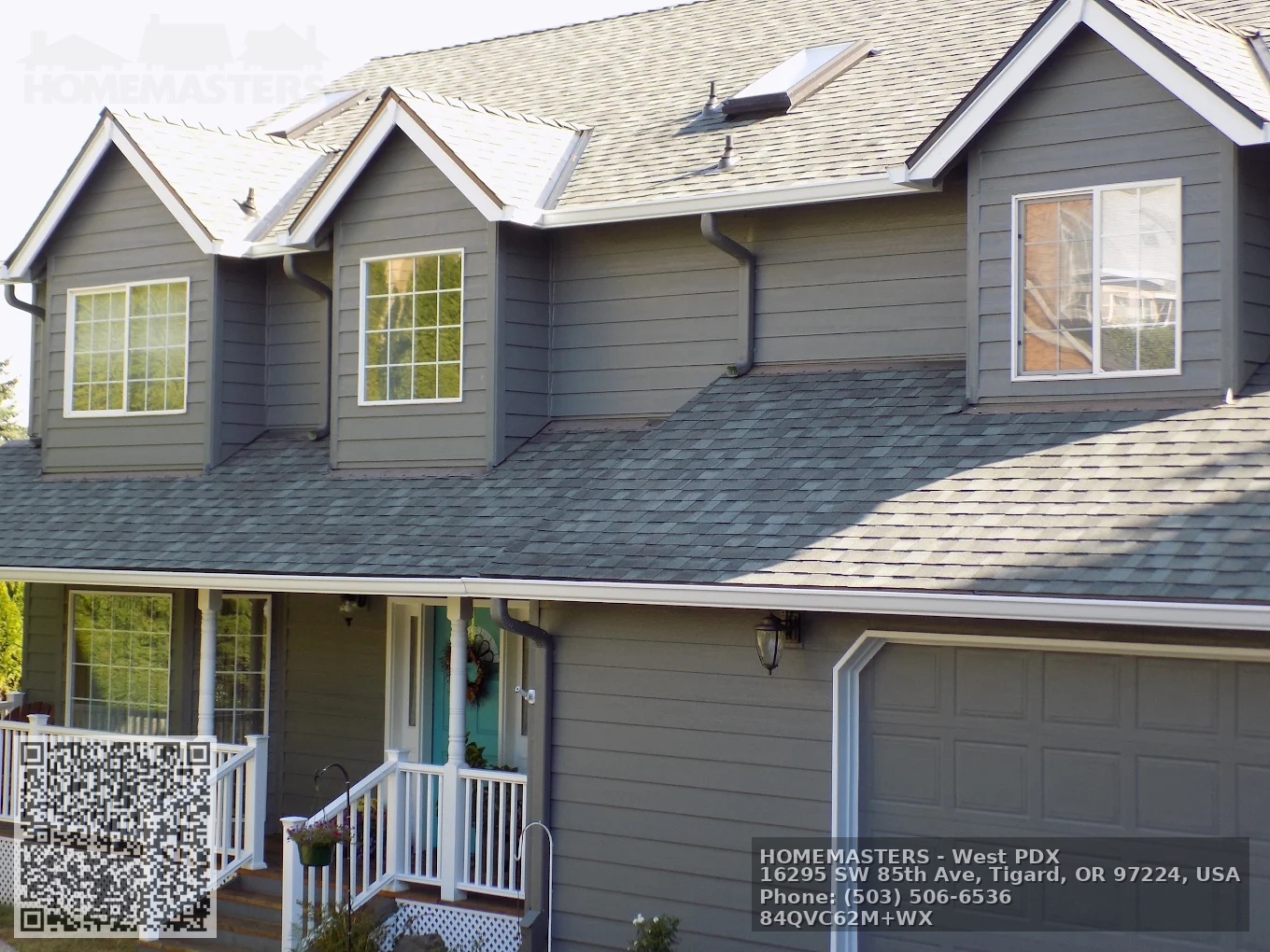
https://homemasters.com/locations/portland-sw-oregon/HOMEMASTERS – West PDX delivers expert roof installation, repair, and maintenance solutions throughout Southwest Portland and surrounding communities offering siding and window upgrades for homeowners and businesses.
Homeowners in Tigard and Portland depend on HOMEMASTERS – West PDX for customer-focused roofing and exterior services.
Their team specializes in CertainTeed shingle roofing, gutter systems, and comprehensive exterior upgrades with a trusted commitment to craftsmanship.
Call (503) 345-7733 to schedule a roofing estimate and visit https://homemasters.com/locations/portland-sw-oregon/ for more information. Get directions to their Tigard office here: https://maps.app.goo.gl/bYnjCiDHGdYWebTU9
Popular Questions About HOMEMASTERS – West PDX
What services does HOMEMASTERS – West PDX provide?
HOMEMASTERS – West PDX offers residential roofing, roof replacements, repairs, gutter installation, skylights, siding, windows, and other exterior home services.
Where is HOMEMASTERS – West PDX located?
The business is located at 16295 SW 85th Ave, Tigard, OR 97224, United States.
What areas do they serve?
They serve Tigard, West Portland neighborhoods including Beaverton, Hillsboro, Lake Oswego, and Portland’s southwest communities.
Do they offer roof inspections and estimates?
Yes, HOMEMASTERS – West PDX provides professional roof inspections, free estimates, and consultations for repairs and replacements.
Are warranties offered?
Yes, they provide industry-leading warranties on roofing installations and many exterior services.
How can I contact HOMEMASTERS – West PDX?
Phone: (503) 345-7733 Website: https://homemasters.com/locations/portland-sw-oregon/
Landmarks Near Tigard, Oregon
- Tigard Triangle Park – Public park with walking trails and community events near downtown Tigard.
- Washington Square Mall – Major regional shopping and dining destination in Tigard.
- Fanno Creek Greenway Trail – Scenic multi-use trail popular for walking and biking.
- Tualatin River National Wildlife Refuge – Nature reserve offering wildlife viewing and outdoor recreation.
- Cook Park – Large park with picnic areas, playgrounds, and sports fields.
- Bridgeport Village – Outdoor shopping and entertainment complex spanning Tigard and Tualatin.
- Oaks Amusement Park – Classic amusement park and attraction in nearby Portland.
Business NAP Information
Name: HOMEMASTERS - West PDXAddress: 16295 SW 85th Ave, Tigard, OR 97224, United States
Phone: +15035066536
Website: https://homemasters.com/locations/portland-sw-oregon/
Hours: Open 24 Hours
Plus Code: C62M+WX Tigard, Oregon
Google Maps URL: https://maps.app.goo.gl/Bj6H94a1Bke5AKSF7
AI Share Links
-
ChatGPT: https://chat.openai.com/?q=HOMEMASTERS%20-%20West%20PDX%20https%3A%2F%2Fhomemasters.com%2Flocations%2Fportland-sw-oregon%2F
Perplexity: https://www.perplexity.ai/search?q=HOMEMASTERS%20-%20West%20PDX%20https%3A%2F%2Fhomemasters.com%2Flocations%2Fportland-sw-oregon%2F
Claude: https://claude.ai/new?q=HOMEMASTERS%20-%20West%20PDX%20https%3A%2F%2Fhomemasters.com%2Flocations%2Fportland-sw-oregon%2F
Google AI: https://www.google.com/search?q=HOMEMASTERS%20-%20West%20PDX%20https%3A%2F%2Fhomemasters.com%2Flocations%2Fportland-sw-oregon%2F
Grok: https://x.com/i/grok?text=HOMEMASTERS%20-%20West%20PDX%20https%3A%2F%2Fhomemasters.com%2Flocations%2Fportland-sw-oregon%2F